
Every important decision has a point where the data runs out. We take it the rest of the way.

We start with the full open-source and documentary record, and we work it hard: corporate registries, sanctions and adverse-media, court and customs data, corporate filings, read in the local language rather than in translated summaries. That record is necessary, and for most providers it is where diligence ends. Across much of Southeast Asia, the paper is incomplete, out of date, or deliberately arranged to be read a certain way.
The decisions that matter most tend to turn on exactly the questions a database cannot answer. Who actually controls this entity? Is the facility operating, or is the address a shophouse? Does the local counterparty have the standing they claim?
Cascade Asia works in that gap, between the last verifiable datapoint and the decision you have to make.
We combine field verification, local-language research, corporate intelligence, and human judgment to answer the questions that determine a decision, and we show our evidence for every one.
Analysts on the ground confirm what desktop sources can only assert, through site visits, local observation, and timestamped documentation.
Primary-source research in the languages and registries of the market, not translated summaries written for an outside audience.
Ownership, control, and counterparty mapping that separates registered structure from who actually directs the business.
An analyst’s assessment of what the evidence supports, how confident we are, and where the picture is still incomplete.
Our coverage reflects where we have established field capability and language depth. We are deliberately specific about it, and equally clear about where we do not operate.
We research and verify in the working languages of these markets — Bahasa Indonesia, Vietnamese, Thai, Filipino, Malay, Mandarin, Khmer, and Burmese, alongside English.
Selective supportEast Asia and South Asia — scoped case by case
Where a matter reaches beyond our core coverage, we say so plainly and scope what we can and cannot establish before any work begins.
Our method is the product. Nothing is asserted that cannot be traced to evidence and weighed for reliability.
Identify what a claim rests on (a registry filing, a court record, a local-language report, or an on-the-ground observation) and capture it.
Rate each source for reliability, so you know the difference between a documented fact and a single unverified account.
Look for corroboration, and for what would contradict the finding, not only what confirms it.
Where it matters and where it is possible, confirm in the field. Findings that clear this bar carry a field-verified mark.
State what the evidence supports, how confident we are, and where the picture is still open, in language a decision-maker can act on.
One documented investigation, shown in outline. Clients, entities, and sources are always protected.
Heavy rare earths — the non-substitutable inputs in EV motors, wind turbines, and defence systems — flow out of a Chinese-operated cluster in Kachin State, Myanmar that had never been documented at site level. Over eleven months, our analysts built the first ground-level operational picture of the sector: its sites, its extraction process, its operators, and its registered importer of record.
We cross-validated ground-source collection against Chinese corporate-registry research and two independent customs datasets. The data overturned the public narrative — showing the sector’s disruption had begun nine months before it was reported, and that the widely-covered 2025 “recovery” was largely inventory liquidation, not restored production.
An Onsight Brief is Cascade’s published field intelligence: a monthly publication that follows a single subject in depth, with every finding graded and every claim traceable. We begin with Danantara, Indonesia’s sovereign wealth fund.
It is the clearest way to see how we work: read a six-page sample in full, before any conversation.
“The licence holder and the operating company share one beneficial owner.”
| Corporate registry extract | A1 |
| Analyst field verification | A2 |
| Local-language press | C3 |
The letter rates the source (A–F); the number rates the information (1–6).
Analytical, reflective, and drawn from our collection work, all grounded in the field perspective that shapes how we read the region.

What ACGA’s new stewardship report signals about Danantara, tracked from the field.
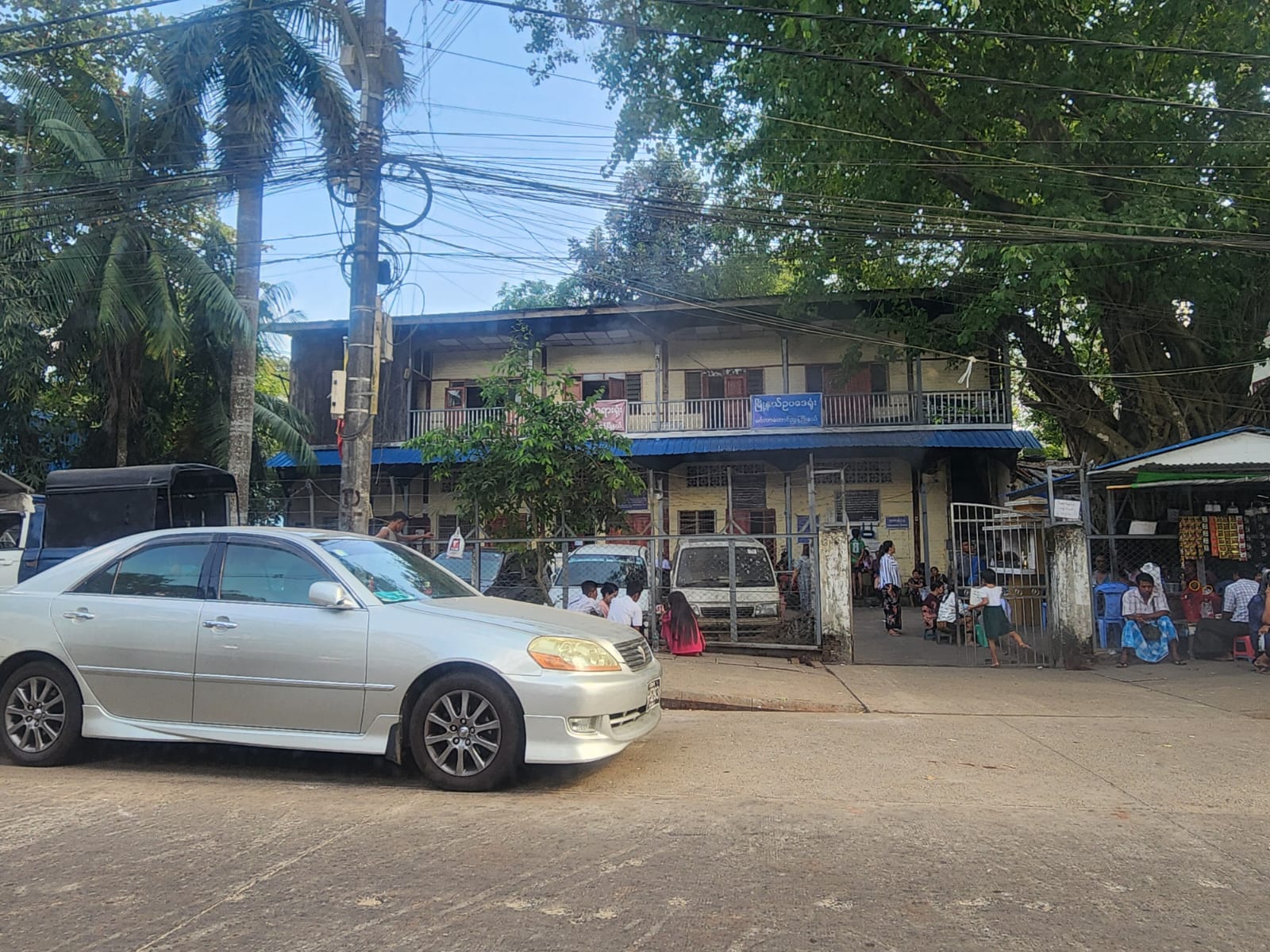
The routine fieldwork behind due diligence and record verification.
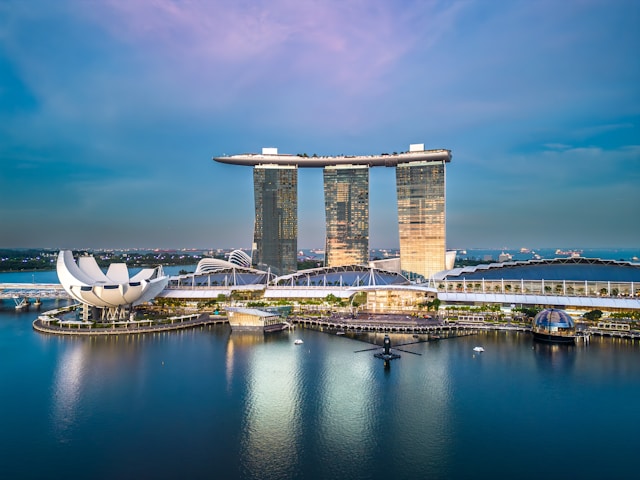
When smooth processes replaced hard questions, efficiency quietly became a liability.
Who really controls an entity, what a counterparty intends, whether a record is true — the facts that change a decision often aren’t in any database at all. They are held by people. Reaching them, judging them, and protecting them is the work that turns a thorough open-source picture into a decision you can act on.
It is also why we can never show you our best sources: the discretion that earns their trust is the same discretion that keeps them ours.
The registered ownership chain is a nominee arrangement. Real control sits with , named to us in confidence by .
Illustrative extract. In our work, source identities are protected without exception.
Tell us the decision in front of you and what you need to verify. We’ll respond with how Cascade would approach it, in confidence and before any commitment.