


.svg)
.svg)
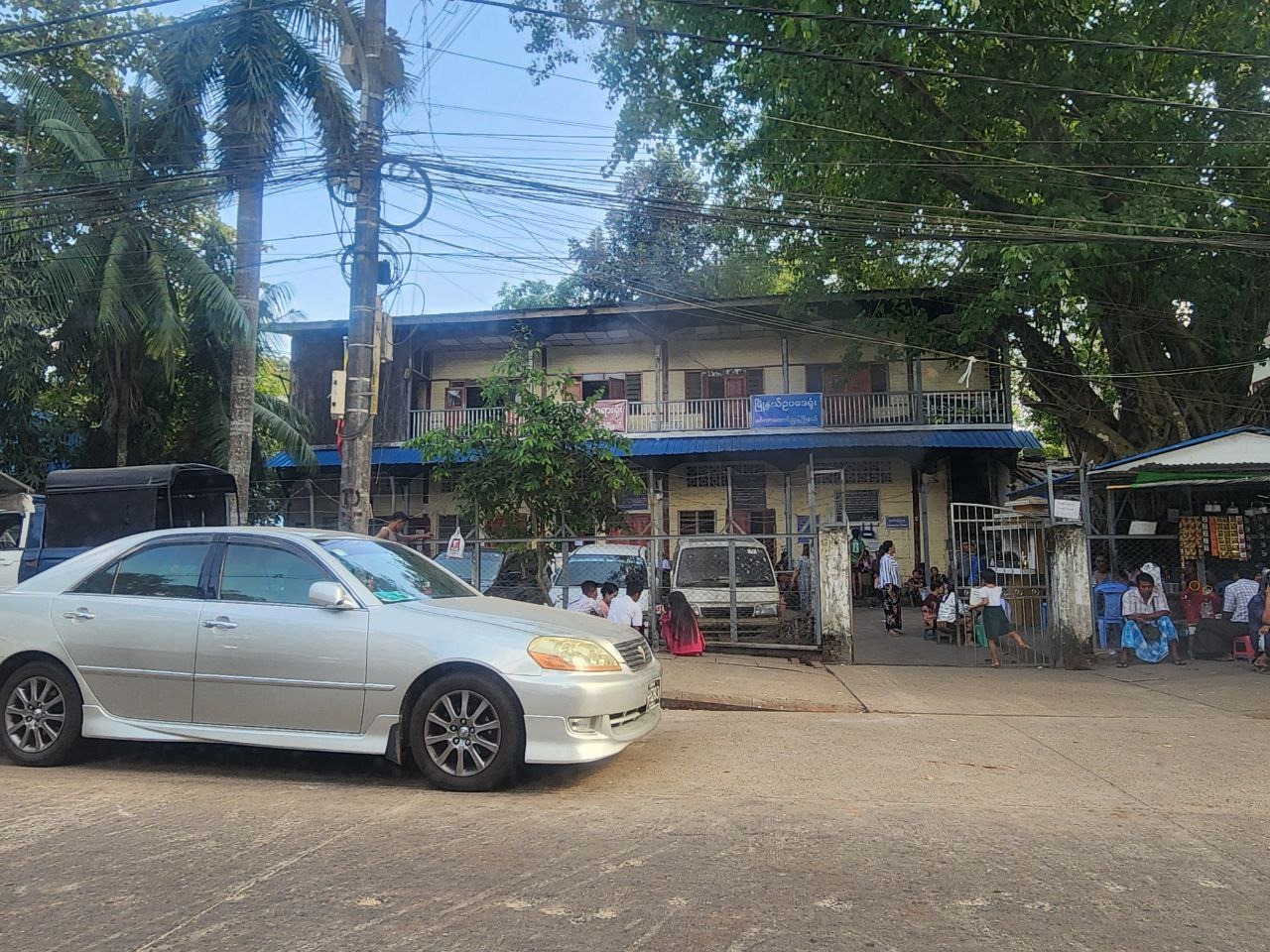
Some of the most important work we do begins with a visit to an office like this.
The photo was taken outside Mingalar Taung Nyunt Township Court in Yangon. It is not a remarkable building. A few motorbikes parked out front, people waiting in the shade, traffic moving past in the background. On most days it looks like any other government office in the city.
But places like this are where a surprising amount of useful information still lives.
Much of our work involves verifying records that never fully make their way into centralized systems. Litigation files, corporate records, administrative decisions, property documents, licensing matters. In many parts of Southeast Asia the reliable version of those records is often the one sitting inside the office itself.
In this line of work, visits like this are simply part of the routine.
That can mean walking into a township court, a land records office, a company registry, or a licensing department. Sometimes the goal is to obtain a specific document. Other times the objective is simply to confirm whether a record exists at all. A database might show one thing while a physical register tells a slightly different story. That is why these checks are done in person.
Even in offices that now use computers for daily work, the historical authority often sits in massive ledgers that go back years. When something needs to be checked properly, a clerk may disappear into the back and return carrying a heavy record book that has been weathered by time. Those thick volumes are still where many of the answers live.
From the angle this photo was taken it is hard to see, but just in front of the building there are rows of small lawyer booths. At first glance they look like simple stalls. In practice they function as the production line for the court. Legal clerks sit there drafting lawsuits, affidavits, and applications on laptops and printing them on portable printers. Before anyone even steps into the main building, much of the document preparation happens at those small desks. They also help clients navigate the paperwork, purchase the necessary legal stamps, and make sure everything is in order.
Older lawyers still remember when the sound of manual typewriters filled these rows of booths. The tools have changed but the rhythm of the place has not. People move quickly between the booths and the courthouse entrance carrying thick paper folders while the ceiling fans spin above and Yangon traffic hums outside.
None of this work looks dramatic from the outside. It usually involves waiting for records, scanning pages, and double checking details that others might assume are already known. It requires patience and a willingness to work through systems that move at their own pace.
And more often than not, this is where the details finally come together.
Digital tools and databases are useful starting points. They help narrow the search and flag potential issues. They rarely replace the discipline of confirming information directly at the source.
That is why a normal workday can involve visits to buildings like this one. Quiet offices on ordinary streets that hold small pieces of information which, when verified properly, help investors, boards, and companies make better decisions.
Field work may not look impressive in a photograph. It is still where much of the real verification happens in Asia.