


.svg)
.svg)
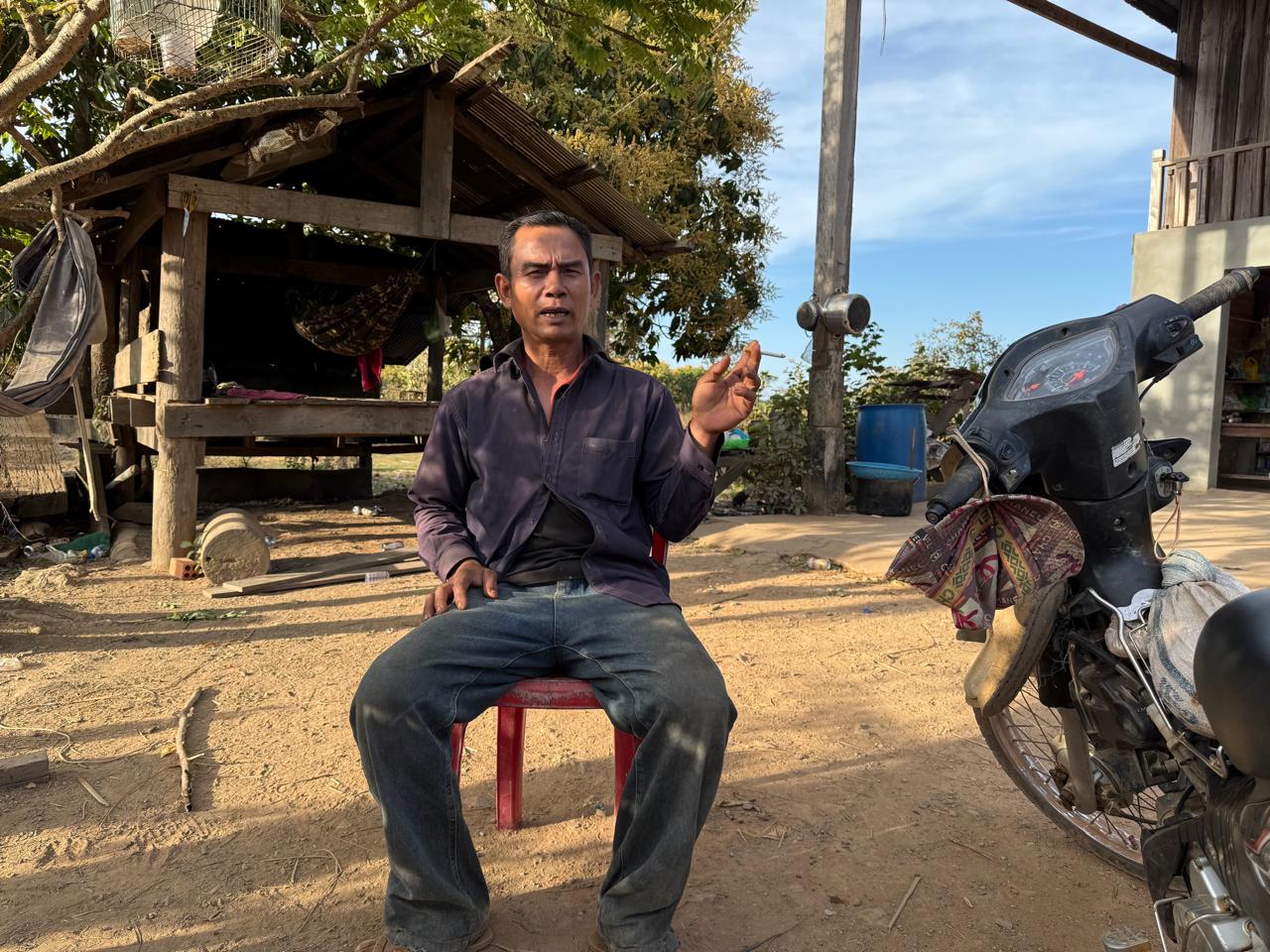
Some people imagine fieldwork as a sequence of discoveries. Meetings that matter. Conversations that unlock something. Moments where insight arrives fully formed.
Most of the time, it looks like this instead.
It looks like waiting. Heat. Informal settings that don’t feel like “work” until you realize they are the work. It looks like conversations whose relevance is not immediately obvious, and often not obvious until much later, if ever.
This is the long middle of fieldwork, where nothing announces itself as important.
There are no dashboards here. No clean data. No certainty that today’s effort will translate into tomorrow’s understanding. What exists instead is context: physical, social, and human. You absorb it slowly, without knowing which details will matter and which will fade away.
That uncertainty is not a flaw. It’s the point.
Over time, we've learned that good fieldwork isn’t about extracting answers. It’s about learning how not to rush them. The hardest discipline is restraint; trying to listen without steering, observe without prematurely categorizing, resisting the urge to turn partial signals into conclusions.
From the outside, this can look unproductive. From the inside, it’s where judgment is formed.
What eventually becomes analysis is shaped here, long before it is written down. In how long you sit. In what you ignore. In what you decide not to trust yet. Insight that comes too quickly is usually borrowed from assumptions, from prior models, from expectations that haven’t earned the right to survive contact with reality.
Fieldwork strips those expectations away, but only if you let it.
Field Notes is not a record of our findings. It’s a record of our process. Of how serious work begins before it becomes legible, shareable, or actionable. Some moments from the field will never appear in a report or briefing, but they still matter. They shape the way we see and help slow us down at the right time.
This is where our work actually starts.